
Small business restructuring
Small business restructuring lets an eligible company compromise up to $1 million of eligible debts, including ATO debt, while company directors remain in control and the business continues trading. It is a formal process under the Corporations Act, and only a Registered Liquidator can run it.

What small business restructuring actually is
Small business restructuring (SBR) is a formal insolvency process under Part 5.3B of the Corporations Act 2001, introduced by the federal government on 1 January 2021 as a faster, lower-cost alternative to voluntary administration for small companies in financial distress. It is a debtor-in-possession process: company directors remain in control of company property and business operations, and the company continues to trade while the debt is dealt with. In a voluntary administration or liquidation, an external administrator takes over.
You appoint a small business restructuring practitioner, who works with you to build a debt restructuring plan offering to pay creditors an agreed portion of the company's admissible debts, usually over up to three years. From the day the restructuring begins, a moratorium limits creditor claims and the enforcement of security interests against the company. If affected creditors accept the proposed plan and the company completes it, the compromised debts are settled, and the company continues trading.
You will see the same regime called simplified debt restructuring or the SBR process. They describe the one Part 5.3B pathway, and they involve restructuring the company's debt rather than the personal debt of its directors.
- Who stays in control
- You do. Directors keep day-to-day control and the company keeps trading.
- How long it takes
- About 35 business days from appointment to the creditors' vote. The plan itself can run up to three years.
- The size limit
- Total admissible debts and claims must not exceed $1 million. Employee entitlements are excluded from that figure.
- What it can compromise
- Admissible debts, ATO tax debt included. One of the few processes that can compromise the principal, not just interest and penalties.
What an SBR protects while the plan is built
Four things that hold while the plan is built.
Directors retain control
A debtor-in-possession process. No external administrator is appointed; directors remain in control of company assets, and business operations continue as normal.
Creditor action is put on hold
A moratorium applies from the appointment, so unsecured creditors generally cannot initiate or continue recovery actions or security enforcement against the company during the restructuring period. One qualification worth knowing: an ATO garnishee notice already in place on the date of appointment is generally not withdrawn.
The debt itself can be reduced
A restructuring plan compromises admissible debts rather than repaying outstanding debts in full with interest. The debt reduction achieved depends on the company's cash flow and what creditors will accept.
Jobs, suppliers and reputation
Business operations continue, so employees keep their jobs and trade with creditors, and customers are often unaware that the process is running.
Three things that decide whether you qualify
The eligibility criteria are set by the Corporations Act. Directors declare the company's eligibility, and the restructuring practitioner acts independently and verifies it before anything proceeds.
Size and structure
An eligible company within the admissible debts cap.
SBR is available to an incorporated company (Pty Ltd) only, not to sole traders or partnerships. Total admissible debts and claims must not exceed $1 million when the process begins, and employee entitlements are excluded from that figure. Contingent liabilities and fully secured debts are treated differently again, so confirm your total liabilities before you rely on them.
Lodgements and entitlements
Tax lodgements current; employee entitlements paid.
BAS, IAS and company tax returns must be lodged and current, or able to be brought current quickly. Outstanding employee entitlements, superannuation included, must be paid before the company's proposal goes to creditors. Tax lodgements are usually fixable. Unpaid entitlements are the harder gate.
History and solvency
No recent use and genuine insolvency.
Neither the company nor its directors can have used small business restructuring or the simplified liquidation process in the previous seven years. The company must also be insolvent or likely to become insolvent. SBR is not available to a solvent company looking for better terms.
How the small business restructuring process works
The SBR process runs to a fixed statutory timetable: about 35 business days from appointment to the creditors' vote.
- STEP 1
Appoint a restructuring practitioner
The company resolves, by a directors' resolution, that it is insolvent or likely to become insolvent, and appoints a small business restructuring practitioner. From that point, a moratorium applies to creditor claims and security enforcement against the company, though a garnishee notice already in place at the date of appointment is not generally withdrawn.
- STEP 2
Develop the debt restructuring plan (20 business days)
The restructuring practitioner assesses the company's financial position with the directors and prepares the plan and the restructuring proposal statement, which sets out the company's assets, liabilities and what creditors are being offered. The practitioner then certifies to creditors that the company meets the eligibility criteria and is likely to be able to meet the plan's obligations.
- STEP 3
Affected creditors vote (15 business days)
Affected creditors have 15 business days to consider the proposed plan and vote. It is accepted if more than 50% by value of the responding, unrelated creditors vote in favour. Related parties cannot vote. Where a creditor's debt is disputed, the restructuring practitioner acts to resolve disputes about what is admissible before the vote is counted.
- STEP 4
The plan runs (up to three years)
If the plan is accepted, the company continues trading, and the practitioner administers the agreed payments, commonly monthly payments over up to three years. Once payments are complete, the compromised debts are settled. If the company fails to meet the payments, the plan can be terminated, and the compromised debts revive, which is why the forecasts behind it have to be numbers the business can actually hit.
SBR and your ATO tax debt
For most companies that use SBR, the ATO is the largest creditor, and its vote on a restructuring plan is often decisive.
Tax liabilities are admissible in a restructuring plan, and SBR is one of the few formal processes that can compromise the principal of the ATO's debt. Informal negotiations generally only affect interest and penalties.
In our experience, the ATO now scrutinises plans far more closely than it did in the early years of the scheme, and rejects proposals it does not find credible. A plan that stands up today shows genuine viability, current lodgements, realistic cash flow forecasts, and early engagement with the ATO.
Be wary of headline debt-reduction percentages. ASIC reporting shows 79% of small business restructuring appointments commenced in the first half of 2024-25 went on to a restructuring plan, down from 88% two years earlier. For plans that were fulfilled, ASIC reports a median dividend of 20 cents per dollar, with 59% returning between 15 and 25 cents. Your result depends on your circumstances and what creditors will accept.
Director penalty notices work differently. If you hold a non-lockdown DPN, appointing a restructuring practitioner within the 21-day window is one action that can satisfy it. A lockdown DPN is not, so check which one you hold.
When SBR is not the right option
Small business restructuring is the wrong tool in five situations, and saying so is more useful than selling it.
The business is not viable long term
If the cash flow doesn't work, a restructure delays the outcome and costs money.
Admissible debts are over the threshold
Above $1 million, the company does not qualify.
Lodgements or entitlements cannot be fixed
If tax lodgements and employee entitlements cannot realistically be brought up to date, a plan cannot proceed.
The debt is secured or guaranteed
Where directors have provided personal guarantees, compromising the company's debt does little to reduce the actual exposure.
A lockdown DPN dominates
SBR will not remit it. That liability can generally only be cleared by paying the company's tax debt in full.
In those situations, we point you to what genuinely helps.
Safe harbour, a voluntary administration above the cap, a turnaround plan, or an orderly liquidation where the business has run its course.
1300 727 739Real people, on your side, when it matters most
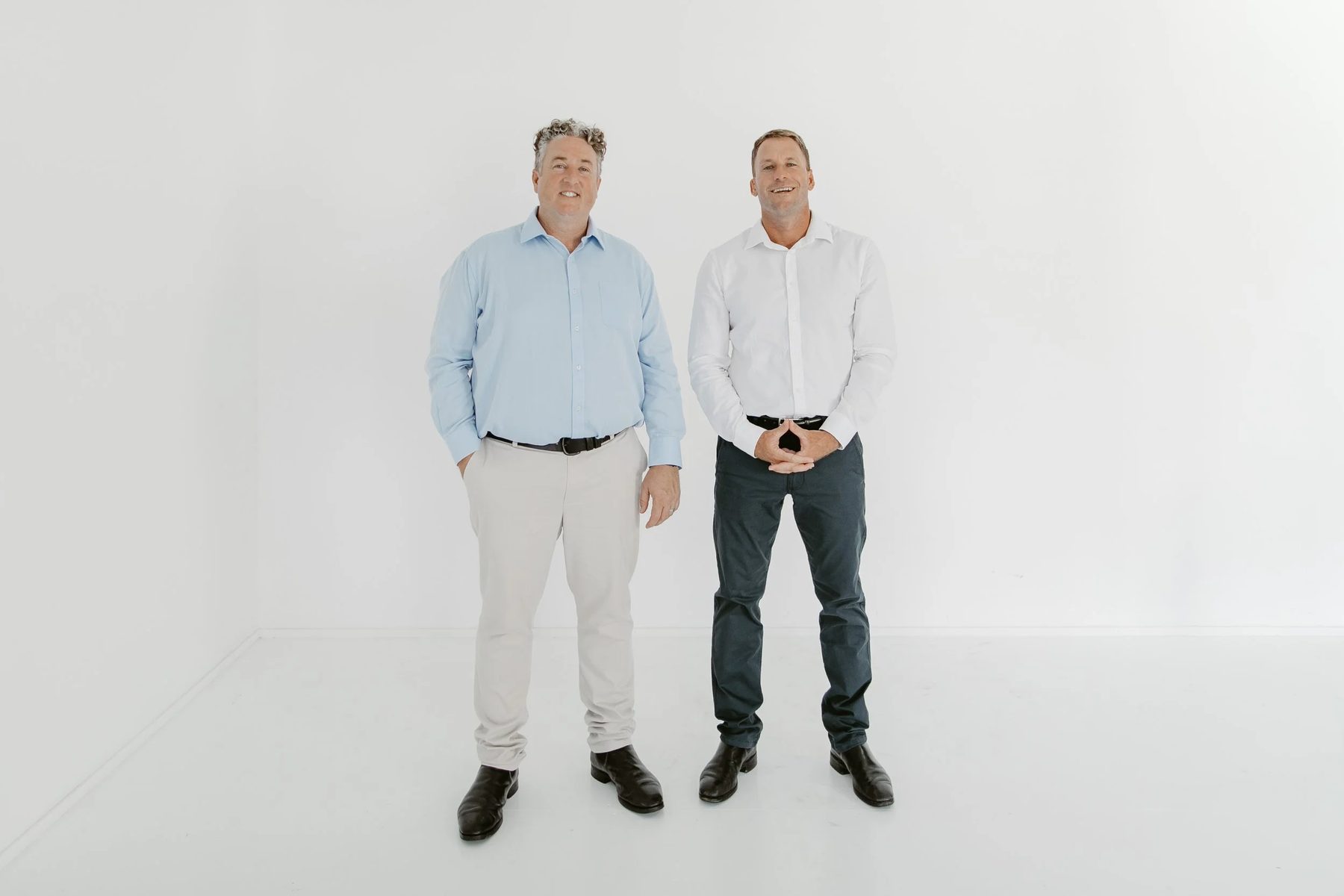
At Rapsey Griffiths, you'll deal with the people whose name is on the door - Mitch Griffiths and Chad Rapsey, Founders. When the ATO is pressing you want a straight answer from someone who has done this many times. You work directly with Mitch Griffiths or Chad Rapsey, Registered Liquidators qualified to act as your restructuring practitioner.
What happens when you get in touch
Three steps, with no obligation at any of them.
A free call with a Registered Liquidator
Tell us what's happening with the company in your own words. We'll ask about the ATO position, secured and unsecured debts, employees, and how much time you have.
We assess solvency and set out the options
We review the company's financial position and explain which corporate insolvency procedures are genuinely available in your context, what each costs, and what each means for you personally.
We take the appointment and run it
If you proceed, we handle the process end to end - creditors, employees, statutory reporting and ASIC obligations - so you can deal with what comes next.
What people ask us first
Straight answers to the questions we hear most.
How much does it cost to restructure a small business?+
Who is eligible for small business restructuring?+
Can SBR reduce my ATO tax debt?+
Can a sole trader do a small business restructure?+
Does a small business restructure affect my credit rating?+
Read up before you reach out
SBR warning signs: why the ATO is getting tougher
What changed in the ATO's approach, and what a plan now has to show.
SBR in 2026: real outcomes and a higher bar
Published data on acceptance rates and what creditors are actually returning.
Why good advice matters more than ever
Why the quality of the advice up front now decides the outcome.
Explore how else we can help
Voluntary administration
An administrator takes control and puts the best available outcome to creditors.
What administration involves →Liquidation
An orderly, properly handled wind-down when a company is no longer viable.
What liquidation involves →Corporate insolvency
Voluntary administration, liquidation and creditor arrangements for companies under pressure.
Compare all business options →